Modernization of the Moscow Metro Circle Line


The modernization increased train frequency from 32 to 45 pairs per hour, reducing intervals from 113 to 80 seconds. Before the upgrade, equipment failures caused delays, with troubleshooting taking up to an hour.
The modernization project included:
-
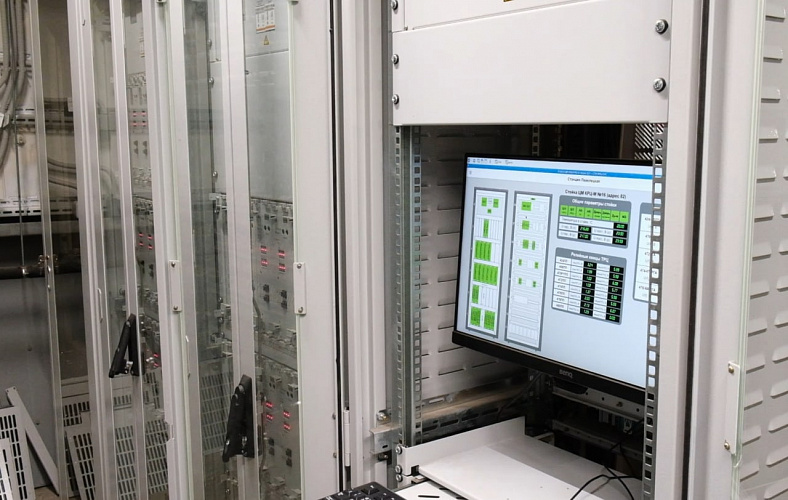
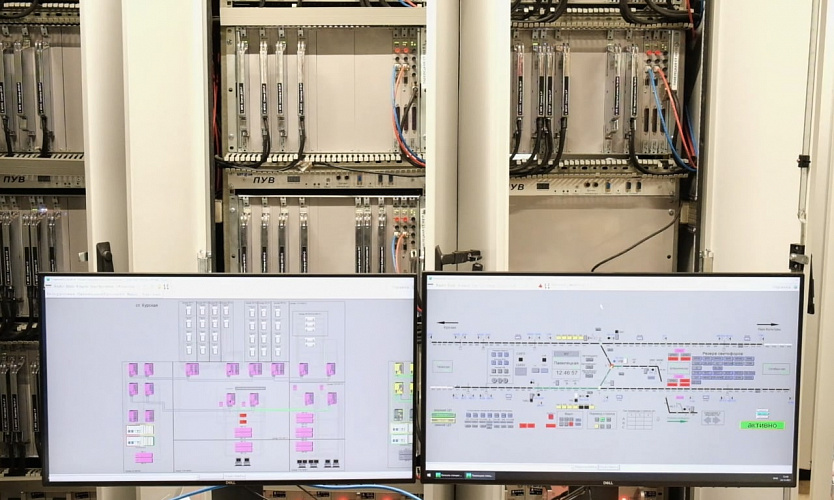
Installation of microprocessor-based interlocking, rail circuit monitoring, dispatch control, and automatic diagnostics.
-
Power equipment upgrades at traction substations for reliable supply.
-
Reconstruction of communication, fire and security alarms, and ventilation systems.
The new digital systems continuously monitor equipment and promptly report any deviations, identifying potential malfunctions before failure. Operations are now centralized under a unified dispatch system, reducing staff workload and improving operational efficiency.